
TAPPING FREE ENERGY
Heat pumps can heat water as well as the more common application of heating homes and are becoming a popular alternative to standard electric, gas and solar hot water systems
Heat pumps can heat water as well as the more common application of heating homes and are becoming a popular alternative to standard electric, gas and solar hot water systems
Heat pump water heaters (HPWHs) are a more efficient way to heat water than standard electric or gas cylinders. They typically absorb energy from the outdoor air, the ground or water bodies (lakes, ponds) to heat water, which is stored in an insulated cylinder.
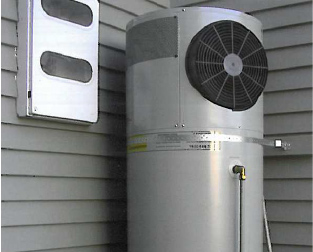
Photos: BRANZ Bulletin 529 Dec 2010
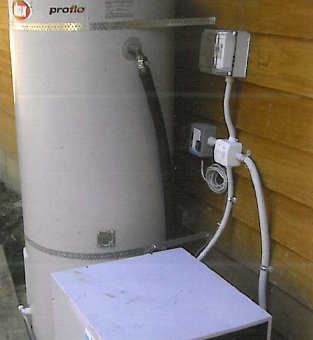
A split heat pump hot water system – the cylinder can be inside the house.
There are two different types of heat pump water heater, split systems and all-in-one or integral units.
Split systems have the compressor unit outside and the hot water tank generally inside although the tank can also be located outside the house separate from the compressor. In some cases you can use your existing tank.
All-in-one units have the compressor and tank together and the whole system usually sits outside (although an indoor unit is being developed, which is ducted to the outside).
There are also heat-pump water heaters that heat the water then pump it into a standard hot water cylinder. This type of heat-pump water heater can be retrofitted to an existing hot water cylinder, and also can be installed in conjunction with a heat-pump space heaters if installing a new one.
Generally, the hotter the outside air, the better the heat pump runs. Heat pump water heaters tend to work best in areas with average air temperatures above 7°C. But the better systems (Class A) will still run more efficiently than a traditional electric or gas water heater in below-zero temperatures.
If you live in a colder part of the country, ask your manufacturer if their system is designed to work at low temperatures. Ask to see performance results at different temperatures for the model you are thinking of buying. Ensure that the system is “Class A Rated – suitable for cold climates” when installing south of Auckland. This means it has an active defrost cycle.
Select a model that achieves an energy saving of at least 60% for your climate zone; ensure that the system is compliant to AS/NZS2712:2007 and that the tank is NZ MEPS rated.